Products
Products
Products
Antioxidants
Antioxidants are compounds that help the horse battle cellular damage caused by oxidative stress. Common antioxidants include: vitamin E, vitamin C, and selenium. Antioxidants are commonly used for support of muscle health, speeding recovery after exercise, support of immune function, and as adjunct therapy for horses with neurological challenges.
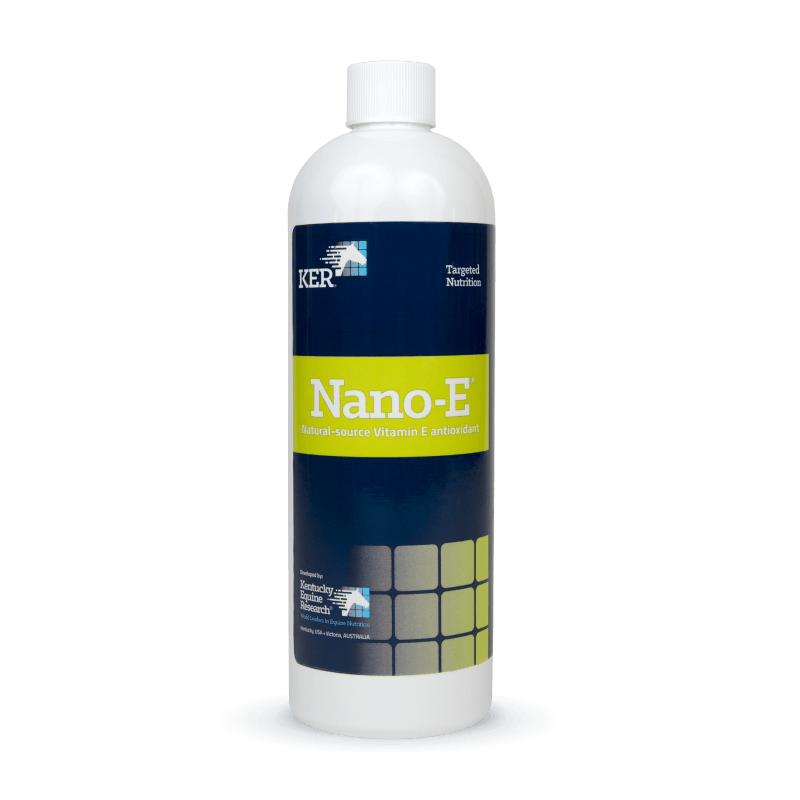
Nano-E
Vitamin E antioxidant for horses
Nano-E® uses advanced nanotechnology to create a rapidly available and absorbed source of vitamin E that enables administration to be timed to provide peak antioxidant protection to performance horses.
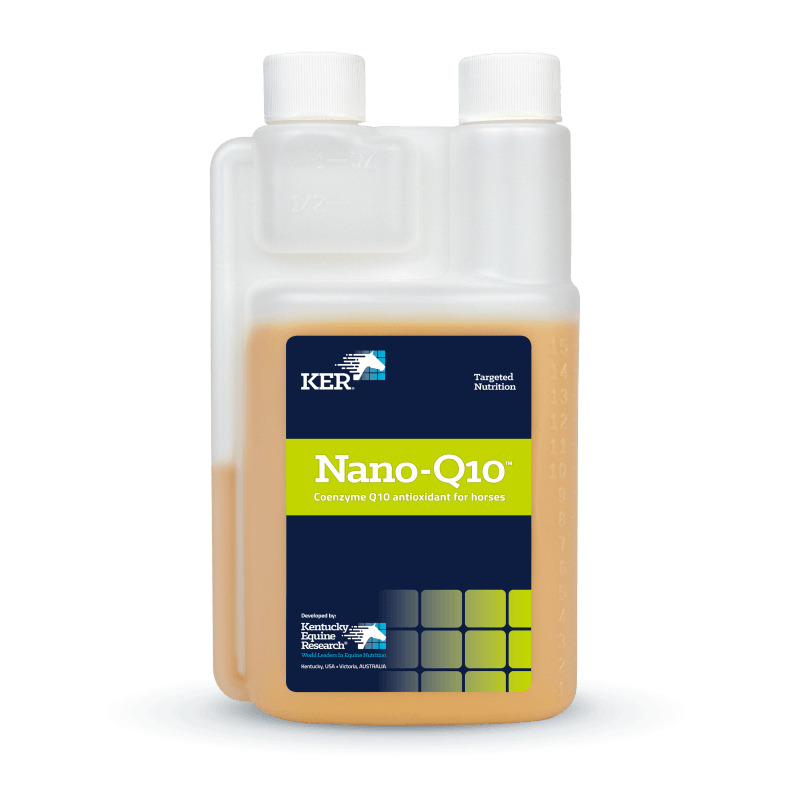
Nano-Q10
Antioxidant for horses in training
Nano-Q10™ is a highly bioavailable form of coenzyme Q10, a powerful antioxidant to protect against exercise-induced muscle damage.
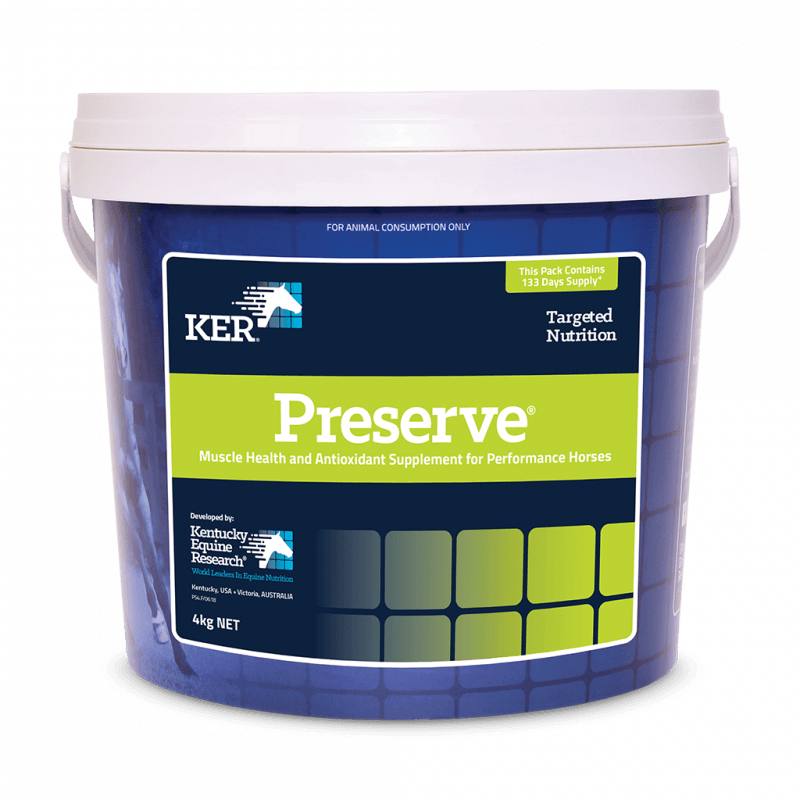
Preserve
Supplementary source of natural vitamin E, organic selenium, magnesium and vitamin C
Nano-Q10™ is a highly bioavailable form of coenzyme Q10, a powerful antioxidant to protect against exercise-induced muscle damage.
MFM Pellet
Muscle recovery and repair
MFM Pellet™ provides special nutritional support for horses with myofibrillar myopathy.
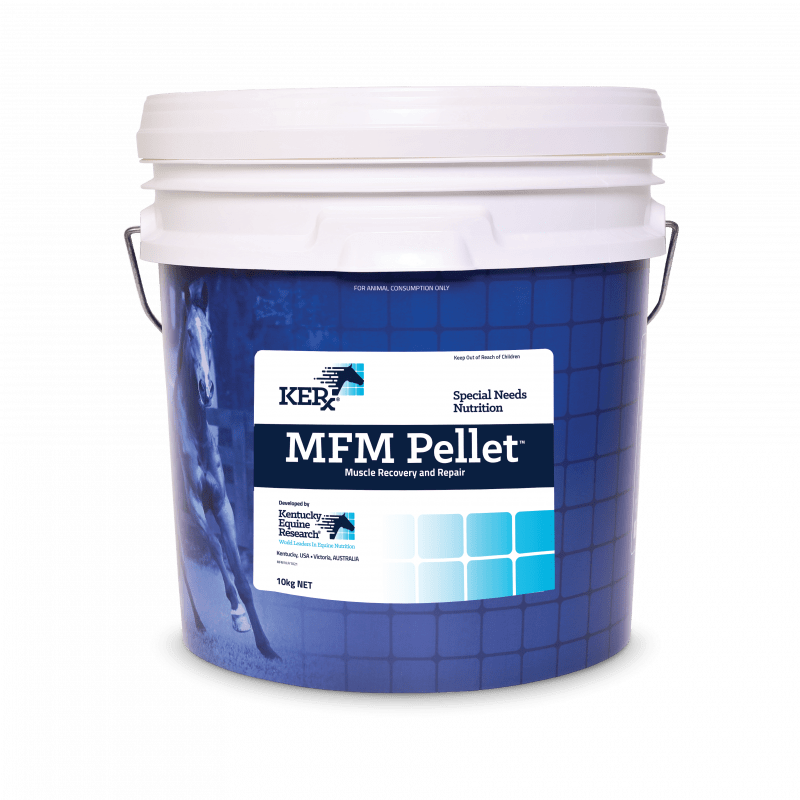
MFM Pellet
Muscle recovery and repair – available through veterinarians
MFM Pellet™ provides special nutritional support for horses with myofibrillar myopathy.
Blood Builder
There are several nutrients including amino acids, trace minerals, and vitamins that play a vital role in ensuring your horse performs at its best, maintains its appetite, and recovers quickly from work.
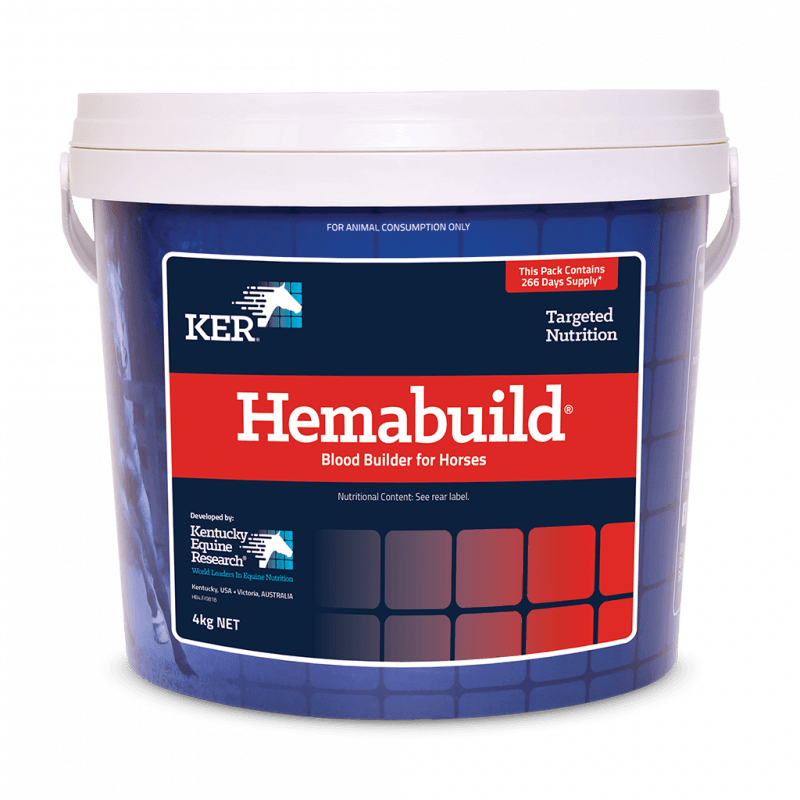
Hemabuild
Vitamin B and trace mineral supplement for stressed horses or horses in heavy training
Horses under the stress of hard work, travel or competition may suffer from suppressed red blood cell production, reduced red cell lifespan or increased losses due to bleeding. Hemabuild is formulated for use in the prevention of anaemia, for maintaining normal blood profiles and for coat darkening.
Bone Health
Strength of bone is derived from a mineralized cartilage framework. Bone is a dynamic tissue and is therefore responsive to forces placed upon it.
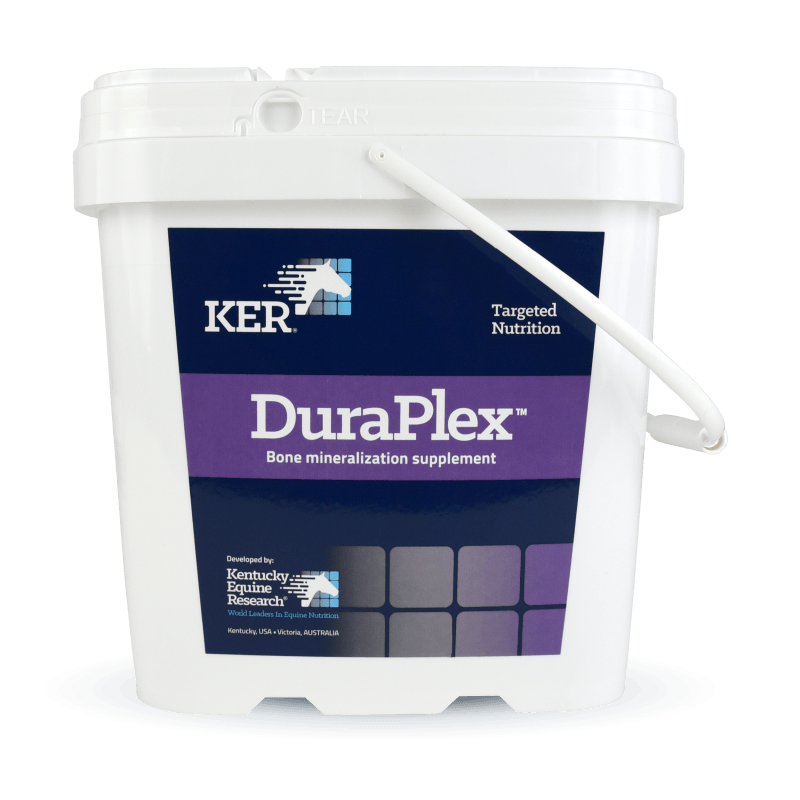
DuraPlex
Bone mineralization supplement
DuraPlex® is a proprietary blend of specific proteins, minerals and vitamins scientifically proven to increase bone mineral density and bone area in both performance and growing horses.
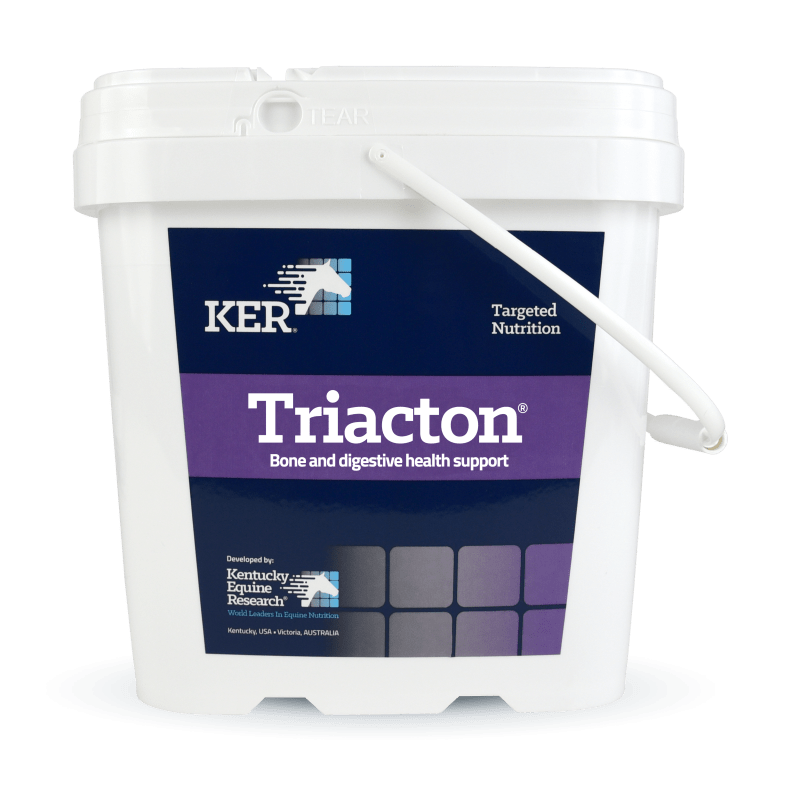
Triacton
Bone and digestive health support for horses
Triacton® is a triple-action supplement designed to improve bone density and support digestive health in horses. The pelleted supplement contains an array of highly bioavailable minerals and vitamins essential for sound skeletal development and maintenance, as well as optimal function of the gastrointestinal tract.
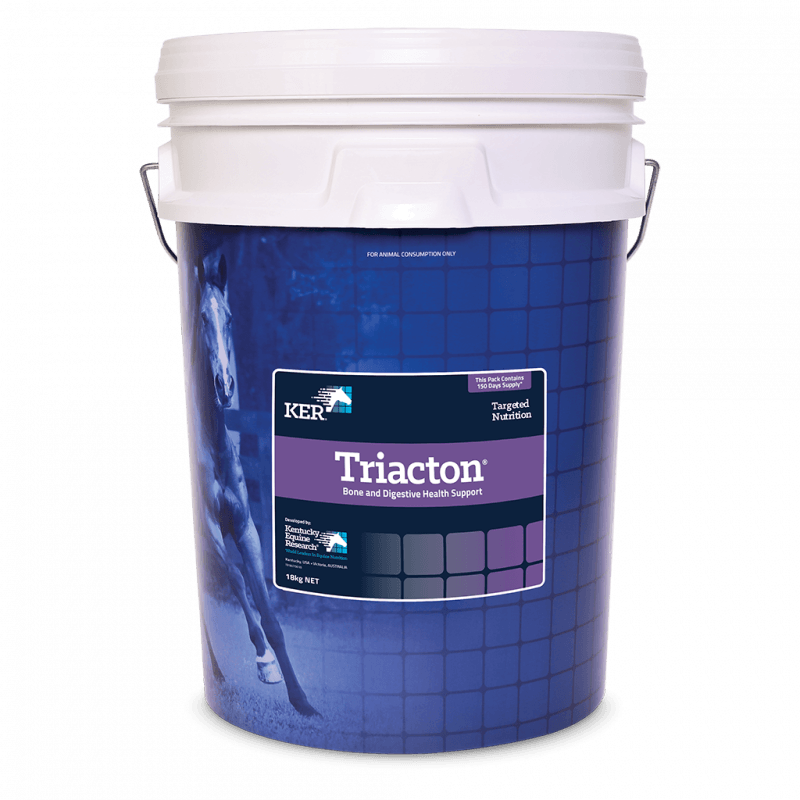
Triacton
Bone and digestive health support for horses
Triacton® is a triple-action supplement designed to improve bone density and support digestive health in horses. The pelleted supplement contains an array of highly bioavailable minerals and vitamins essential for sound skeletal development and maintenance, as well as optimal function of the gastrointestinal tract.
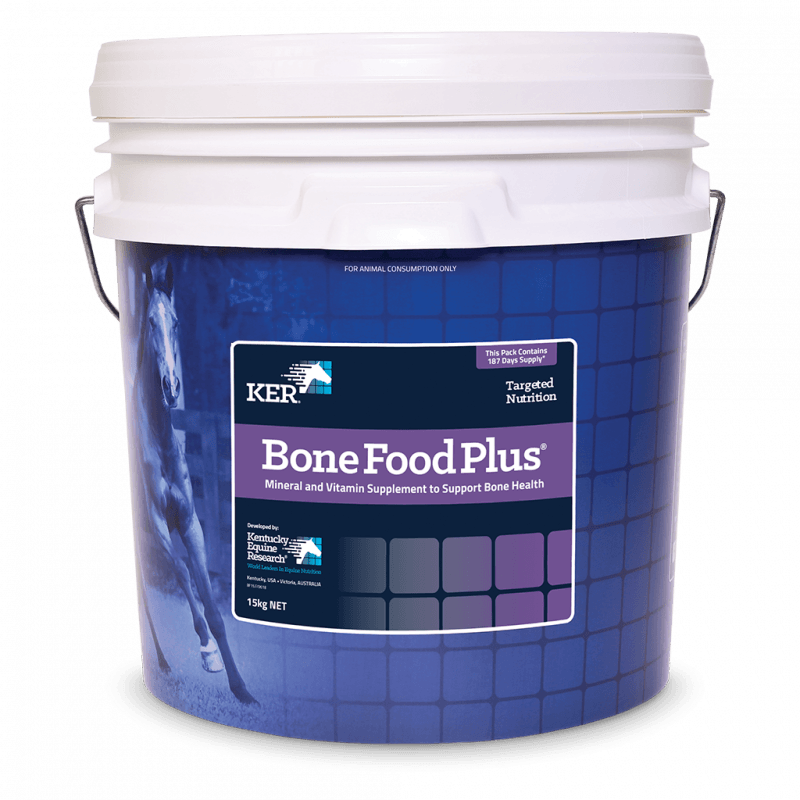
Bone Food Plus
Mineral and vitamin supplement to support bone health
Bone Food Plus contains calcium, vitamin D, vitamin K, zinc, copper, magnesium and manganese, which all play an important role in bone health.
Calming
Dietary management can significantly improve behaviour in some cases and adopting a diet low in starch and sugars while ensuring vitamin and mineral requirements are met is essential.
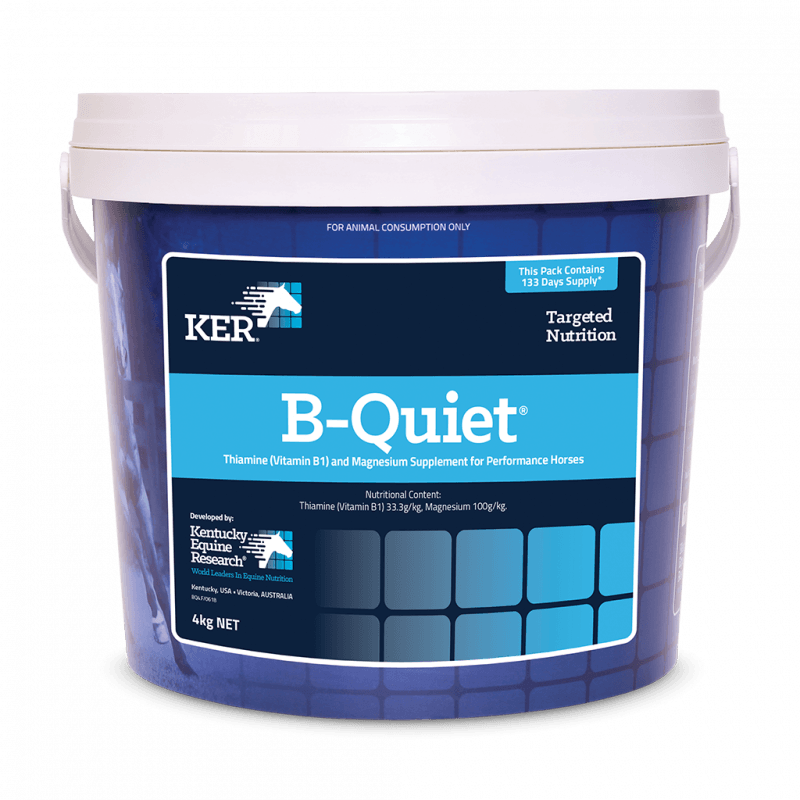
B-Quiet
Vitamin B1 (thiamine) and magnesium supplement for nervous horses
B-Quiet has been formulated to treat the symptoms of thiamine deficiency including hyperirritability and nervousness in horses.
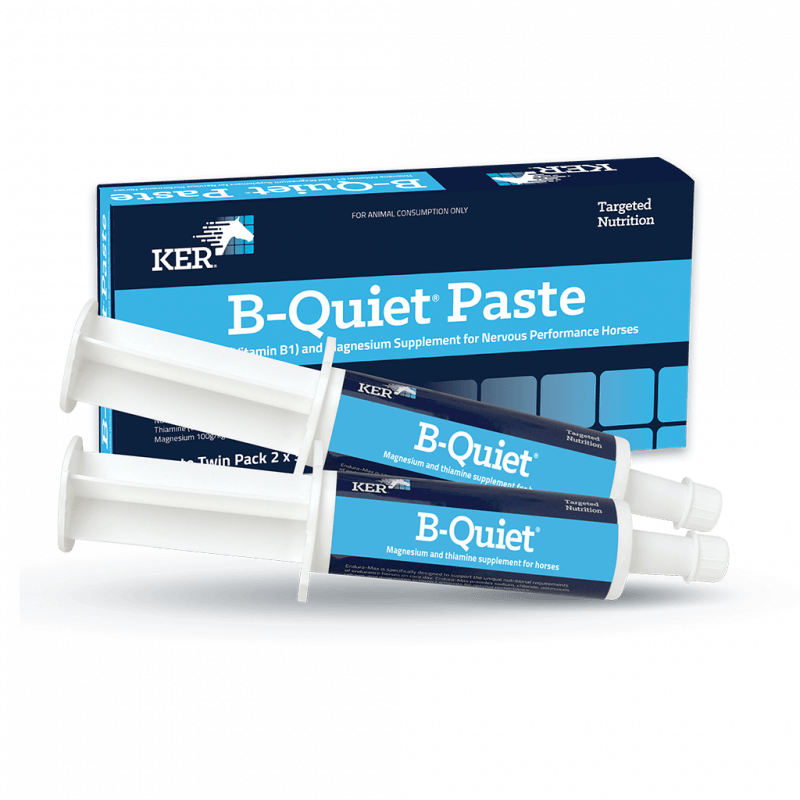
B-Quiet Paste
Vitamin B1 (thiamine) and magnesium paste
B-Quiet Paste provides concentrated levels of thiamine, an important B-vitamin, and magnesium.
In hard-working horses or those on high-grain diets, production of thiamine by intestinal bacteria may be reduced because of stress and hindgut acidosis.
Digestive Health
Modern equine management practices have resulted in horses being exposed to situations vastly different to those in which they evolved, including solitary stall confinement, limited grazing, grain as an energy source, and meal feeding.
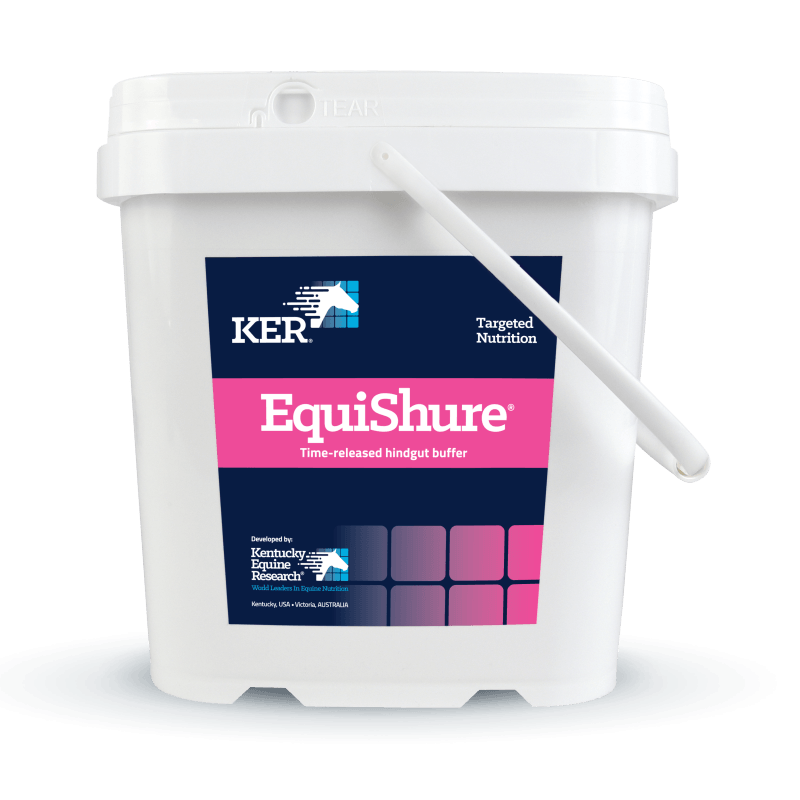
EquiShure
Time-released buffer stabilizes hindgut pH
EquiShure® is a time-released buffer targeting the hindgut. Research supports the use of a hindgut buffer in cases of high grain and high fructan intake.
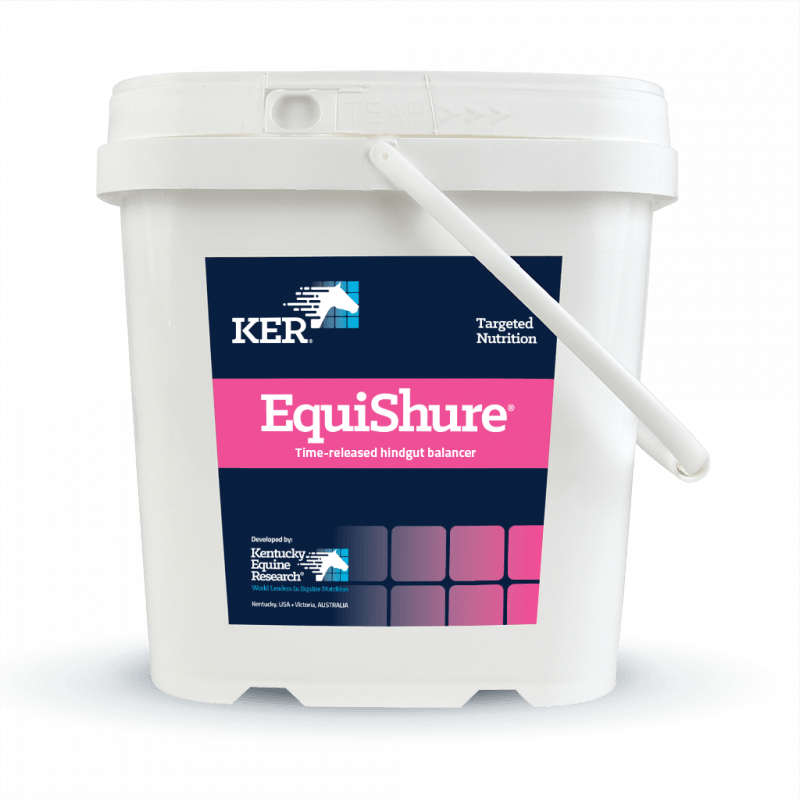
EquiShure
Time released hindgut balancer
EquiShure® promotes normal digestive function by aiding in the maintenance of an optimal hindgut environment and is designed for horses suspected of suffering from or that are at risk of developing hindgut acidosis.
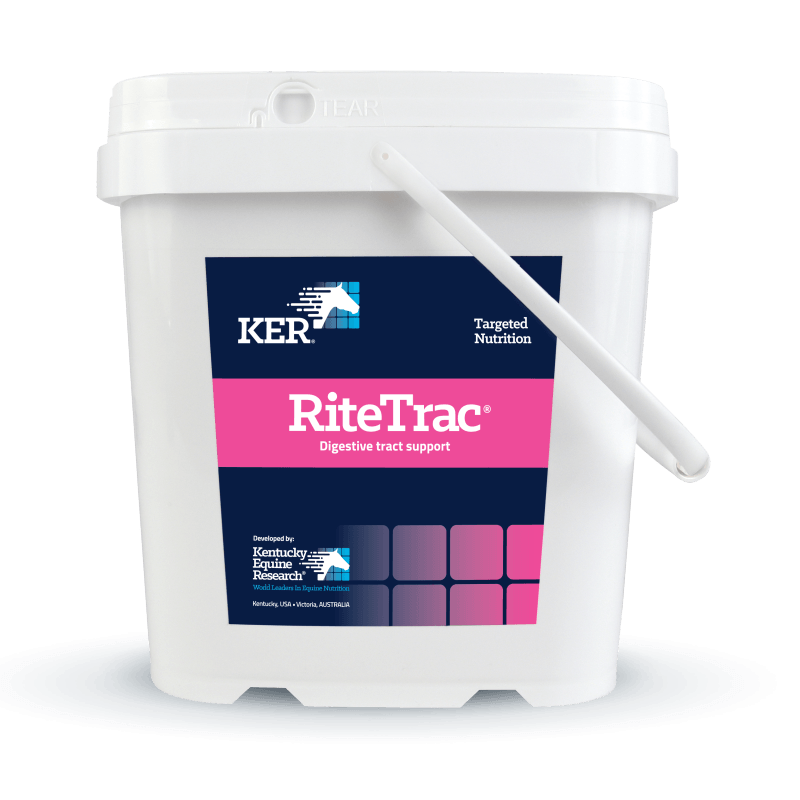
RiteTrac
Supports total digestive tract health
Formulated by the scientists at Kentucky Equine Research, RiteTrac™ is a proprietary blend of ingredients designed to support total digestive tract health.
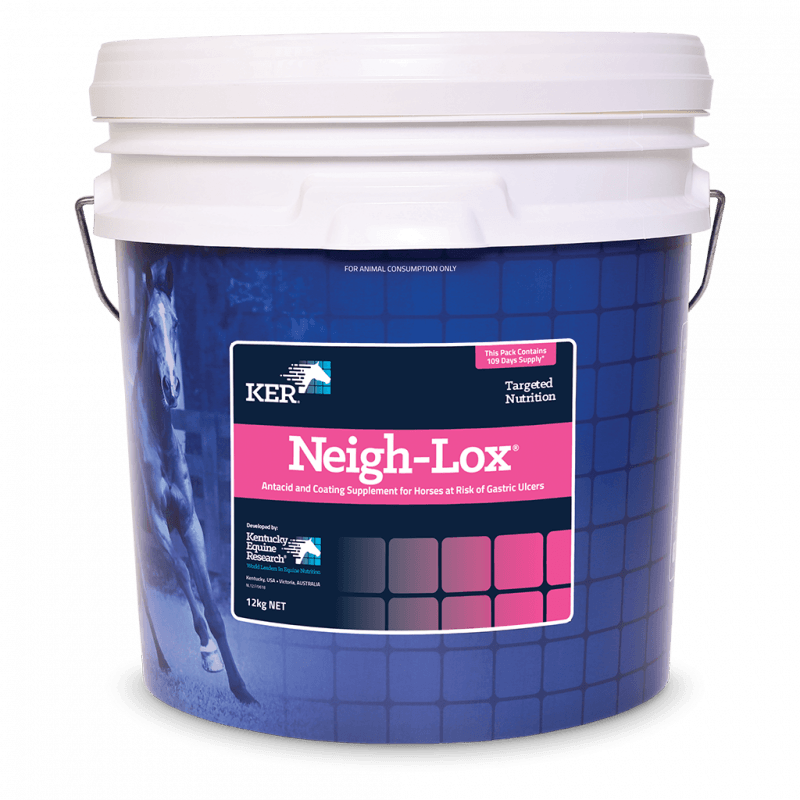
Neigh-Lox
Antacid and gastric coating supplement for horses at risk of gastric ulcers.
Neigh-Lox is designed to protect the digestive tract against excess gastric acid and provide a physical protective lining in the stomach and small intestine.
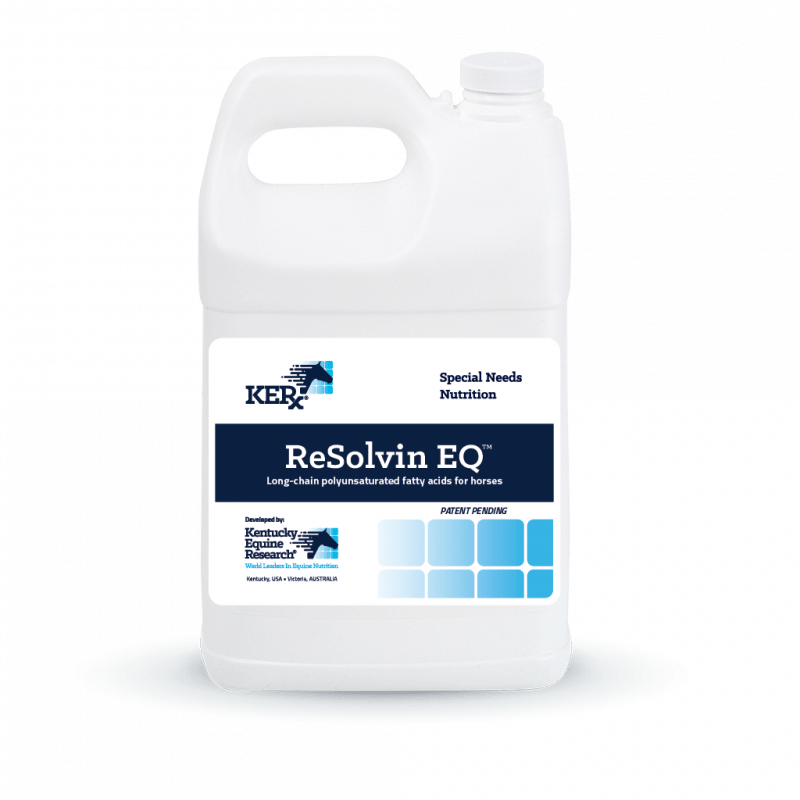
ReSolvin EQ
Long-chain polyunsaturated fatty acids for horses
ReSolvin EQ™ is a revolutionary oil designed to support gastric health one meal at a time through strategic supplementation of long-chain polyunsaturated fatty acids.
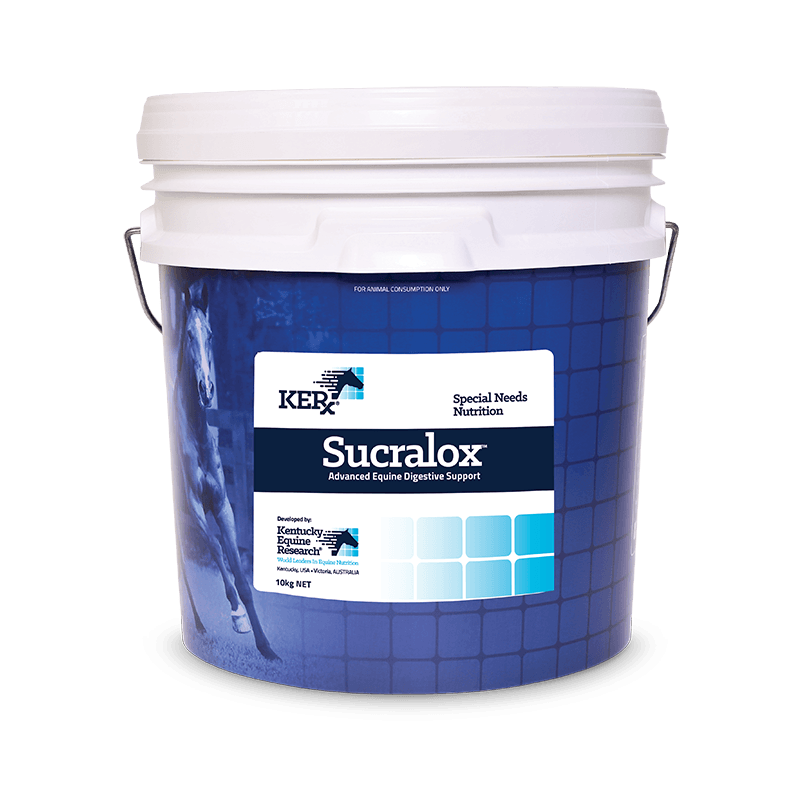
Sucralox
Advanced equine digestive support – available through veterinarians.
Sucralox™ employs a two-prong approach to gastrointestinal protection: it contains a fast-acting antacid that helps neutralise gastric acid, as well as a shielding agent that binds to ulcerated areas and safeguards the sensitive lining of the stomach from the damaging effects of gastric acid.
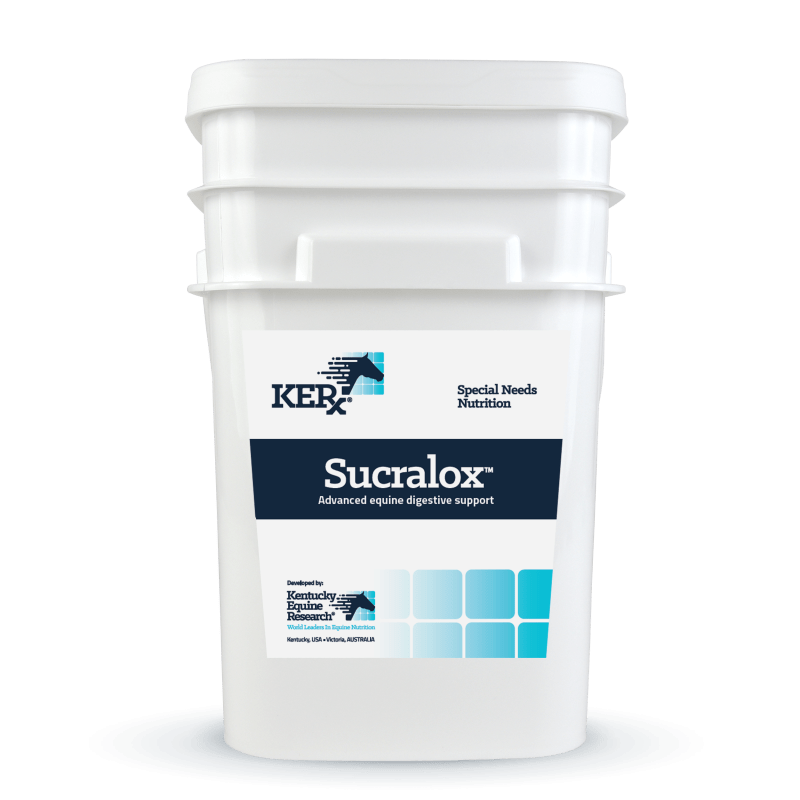
Sucralox
Advanced equine digestive support.
Sucralox™ employs a two-prong approach to gastrointestinal protection: it contains a fast-acting antacid that helps neutralize gastric acid, as well as a shielding agent that binds to ulcerated areas and safeguards the sensitive lining of the stomach from the damaging effects of gastric acid.
Electrolytes
When horses sweat they lose electrolytes, with the principal losses being chloride, sodium, potassium, and magnesium. Without electrolytes, the body is not capable of maintaining the right amount of fluid in and around cells. Electrolytes also play key roles in transmission of nerve impulses and muscle contraction.
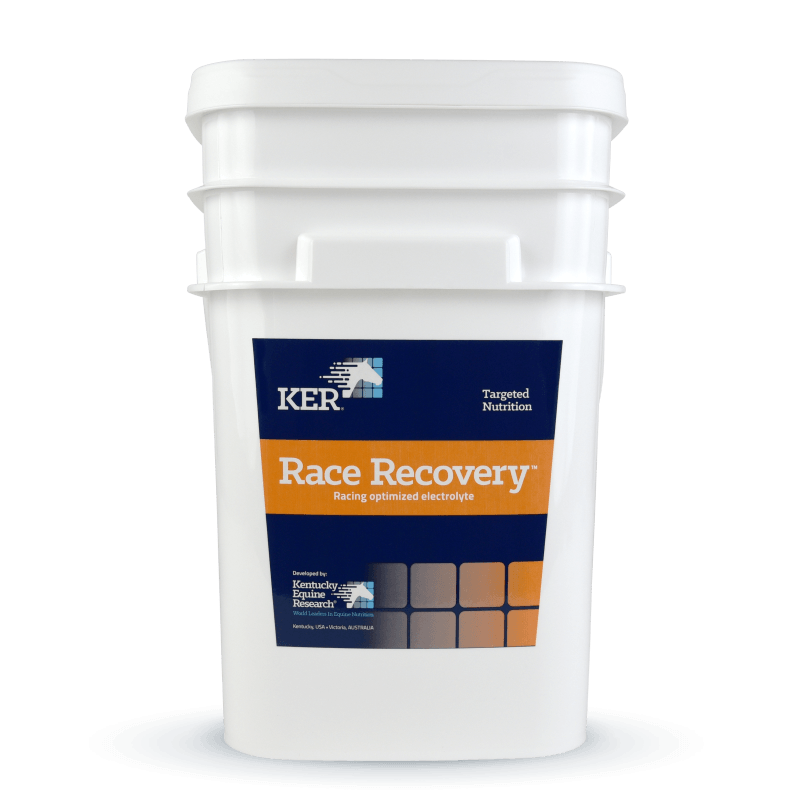
Race Recovery
Research tested. Race proven.
Horses with insufficient electrolytes risk loss of stamina and early onset of fatigue. Race Recovery™ replaces electrolytes to reduce the downtime between fast works and races and replenish minerals lost through increased urination.
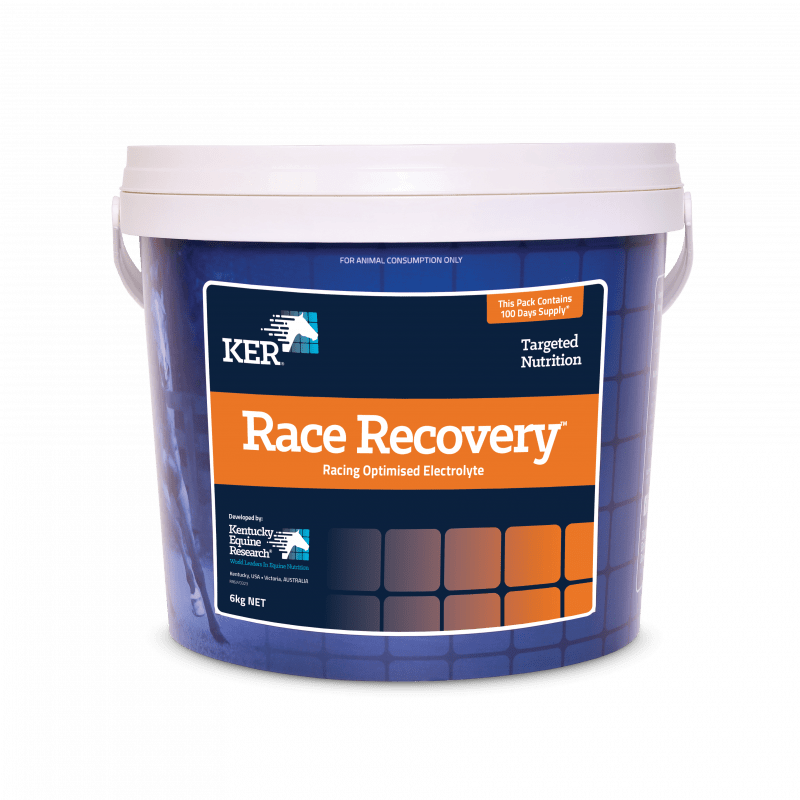
Race Recovery
Research tested. Race proven.
Horses with insufficient electrolytes risk loss of stamina and early onset of fatigue. Race Recovery™ replaces electrolytes to reduce the downtime between fast works and races and replenish minerals lost through increased urination.
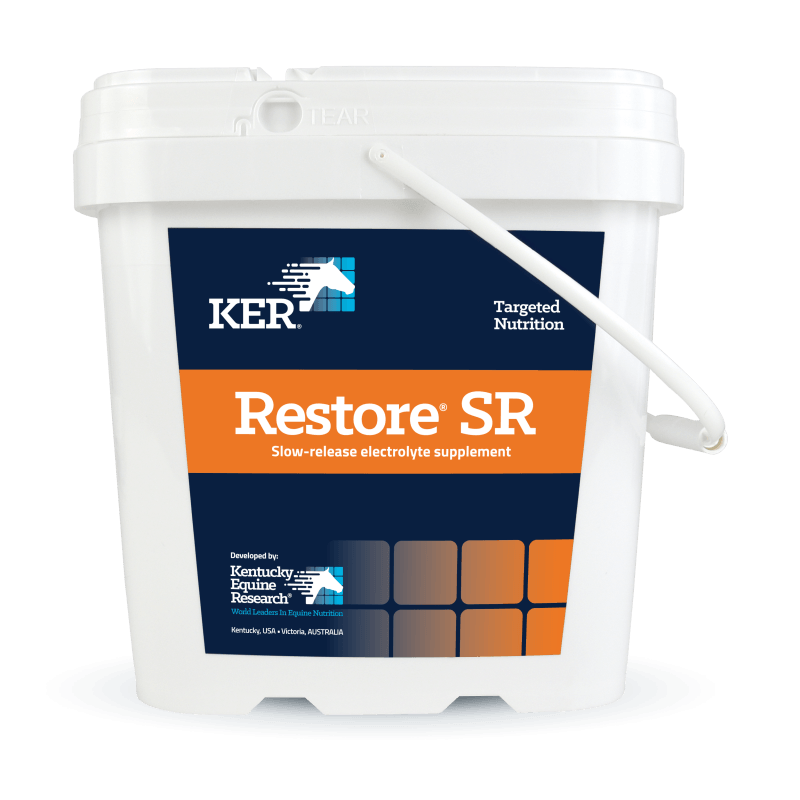
Restore SR
Slow-release Electrolyte Supplement for Horses
Restore® SR contains the latest technology in electrolyte supplements for horses, including a proprietary slow-release mechanism that allows sodium to be released gradually into the gastrointestinal tract for sustained absorption.
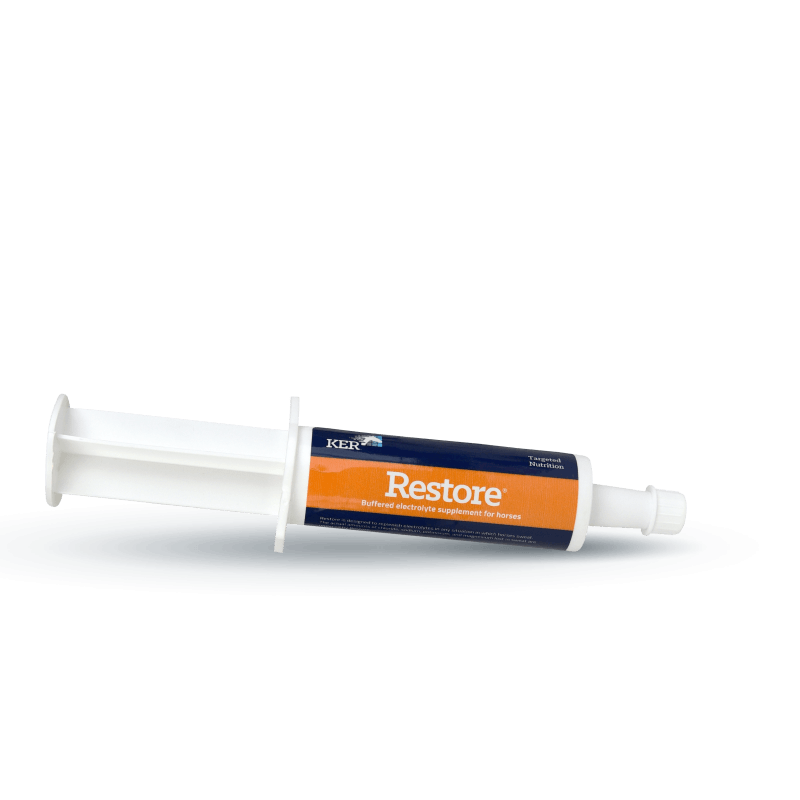
Restore Paste
Buffered Electrolyte Paste for Horses
Restore® Paste is a carefully formulated paste electrolyte supplement designed to match the composition of sweat.
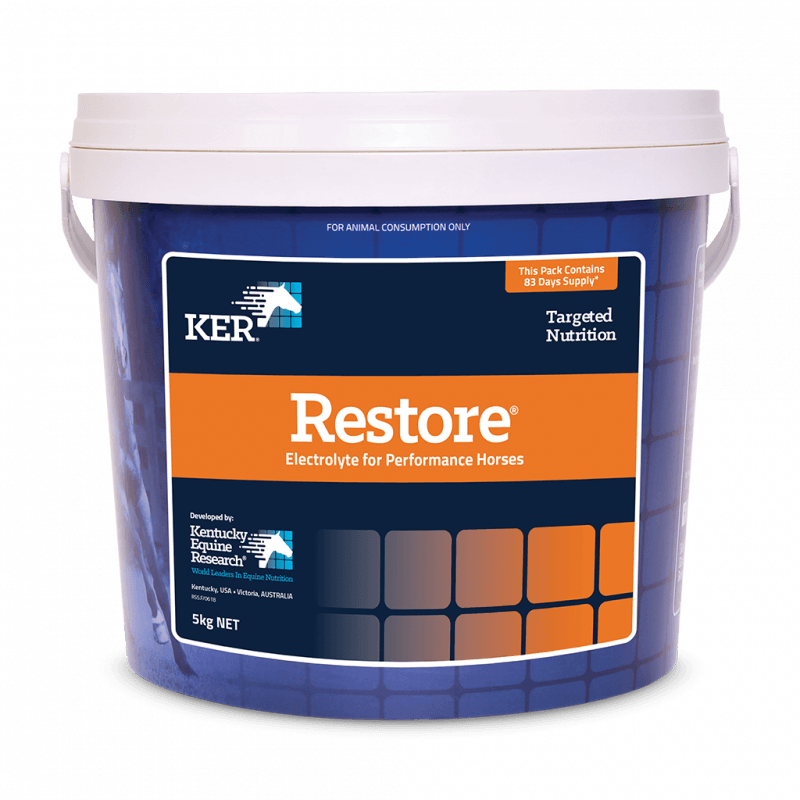
Restore
Daily replacement of electrolytes lost in sweat
A scientifically formulated electrolyte supplement designed to match the composition of horse sweat.
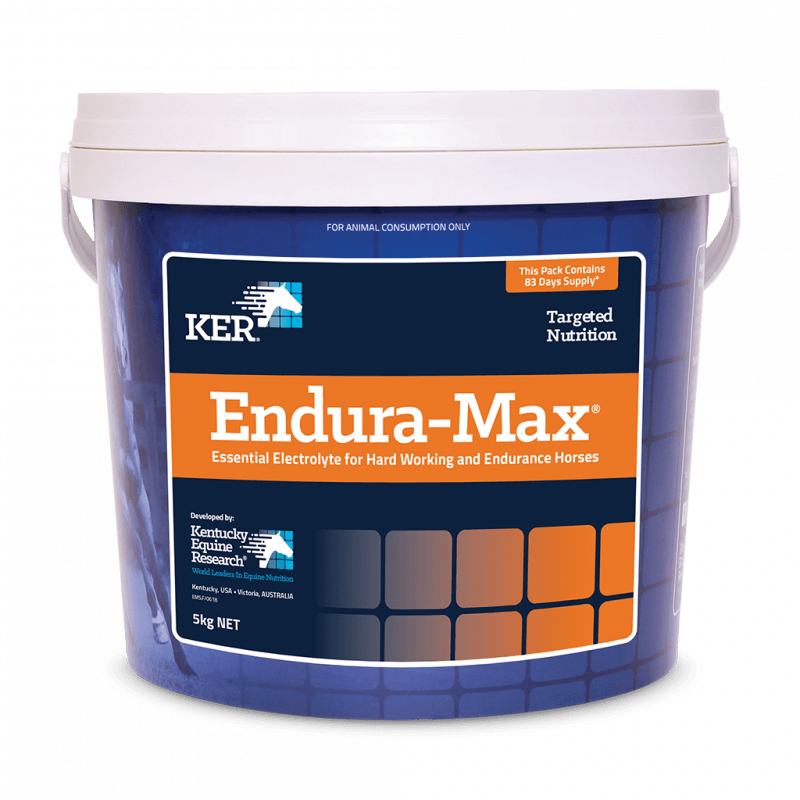
Endura-Max
Electrolyte specifically designed for horses working over long distances.
Endura-Max is an essential electrolyte replacer, containing added calcium to meet the requirements of hard-working horses.
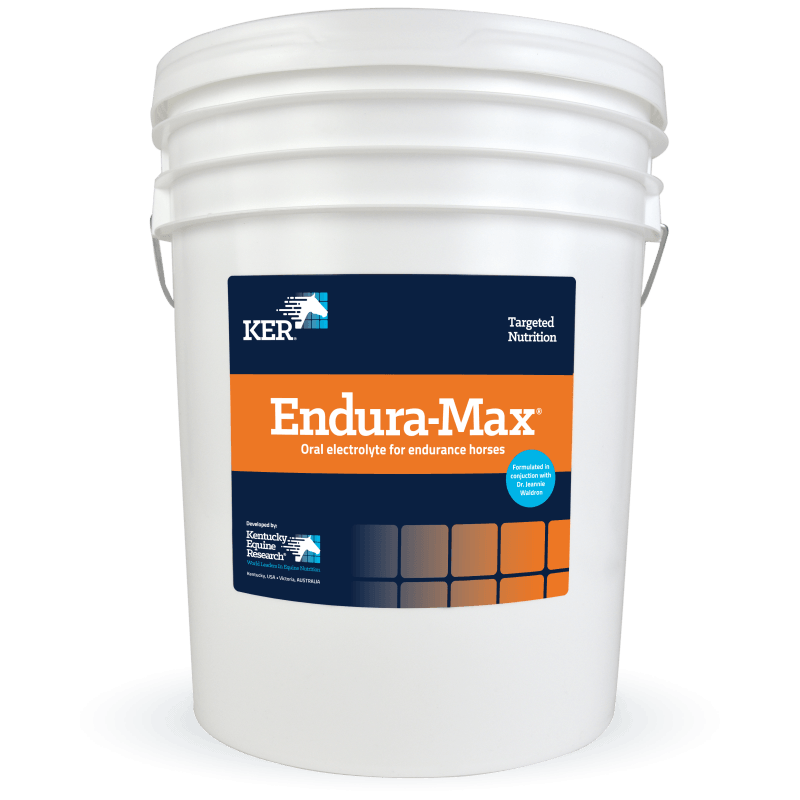
Endura-Max
Replace essential electrolytes to support performance of elite endurance athletes
Kentucky Equine Research developed Endura-Max specifically for endurance horses to replace essential electrolytes lost in sweat.
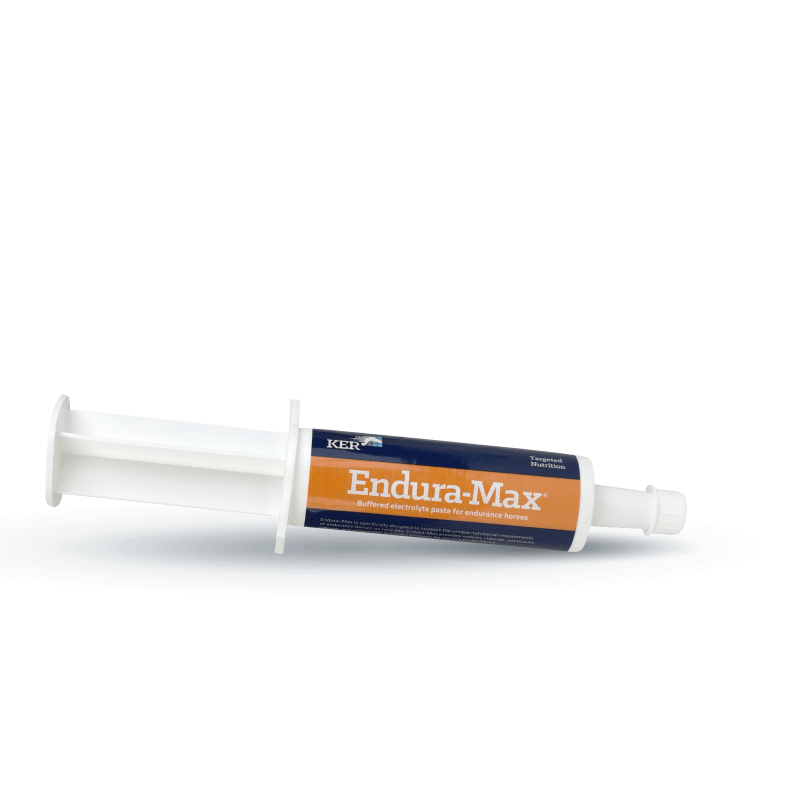
Endura-Max Paste
Electrolyte Paste for Endurance Horses
Endura-Max® Paste is specifically designed to support the unique nutritional requirements of horses training and competing over long distances.
Hoof & Coat
Since both hooves and hair use many of the same nutrients for their development and growth, it is important to provide the horse with sources of fatty acids, amino acids, select trace minerals such as zinc and iodine as well as the B-vitamin biotin when additional support for these structures is desired.
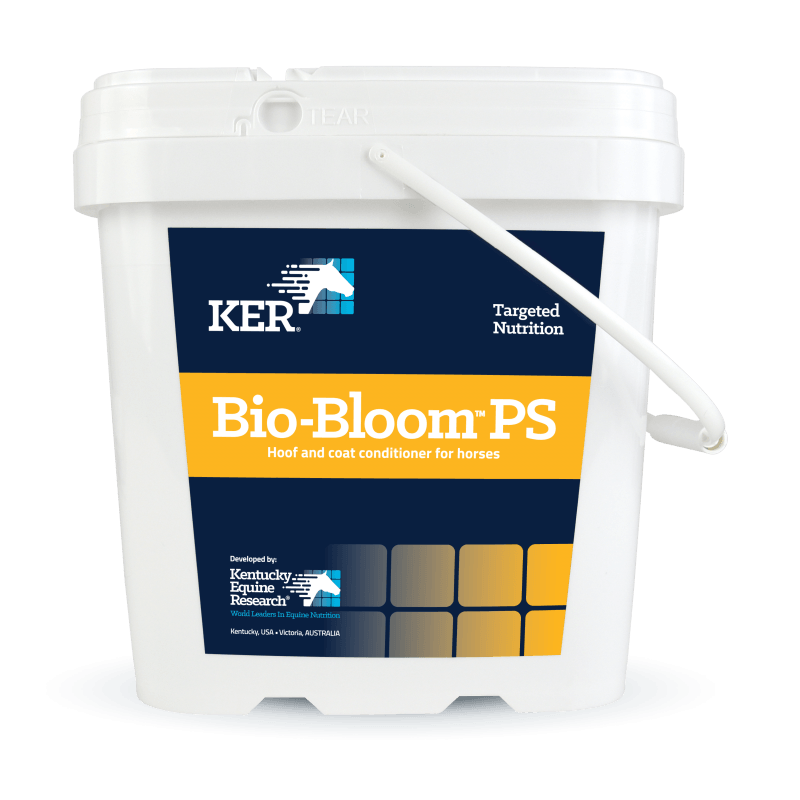
Bio-Bloom PS
Prescription Strength Hoof and Coat Conditioner
Horse hoof quality is dependent on balanced nutrition, and the correct building blocks need to be present in the diet to ensure healthy hoof growth.
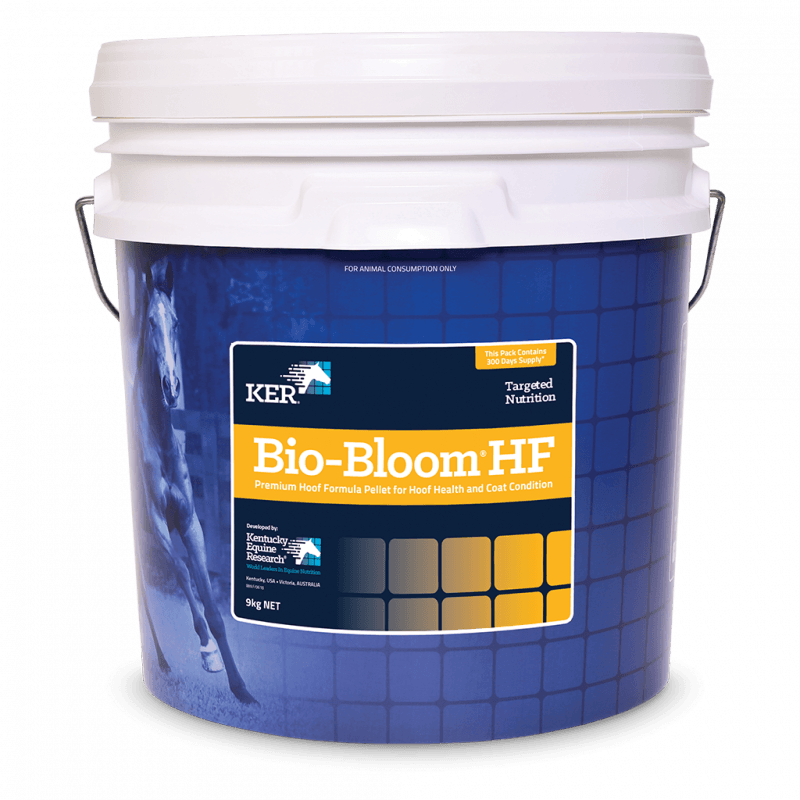
Bio-Bloom HF
Helps improve the condition and growth of hooves, coat, mane, and tail
Bio-Bloom HF is a dual action supplement designed to improve skin and coat condition, and promote healthy hoof growth from the inside out.
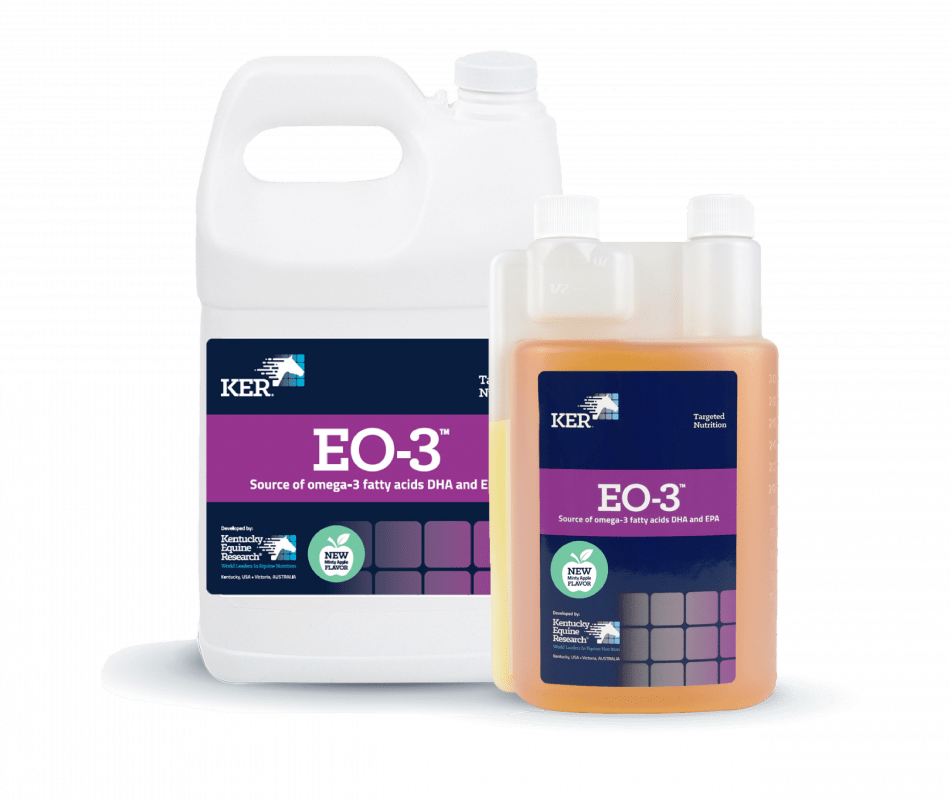
EO-3
Rich source of the omega-3 fatty acids DHA and EPA in a palatable liquid form
Horses are often fed diets composed entirely of grain mixes and hay. Such diets are rich in omega-6 fatty acids but extremely low in omega-3 fatty acids.
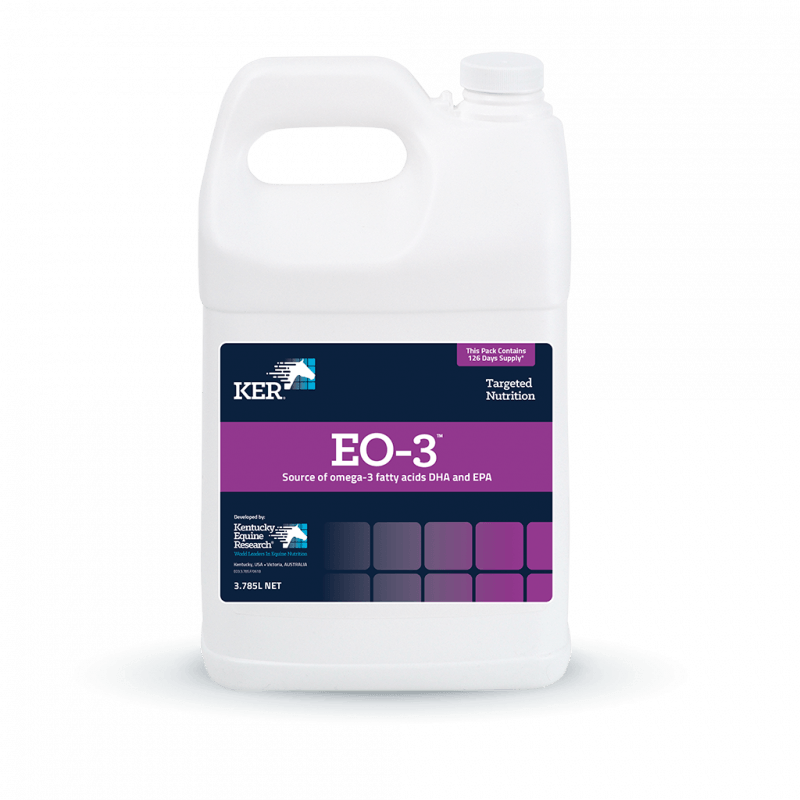
EO-3
Rich source of the omega-3 fatty acids DHA and EPA in a palatable liquid form
Horses are often fed diets composed entirely of grain mixes and hay. Such diets are rich in omega-6 fatty acids but extremely low in omega-3 fatty acids.
Hydration Aid
Water intake is vital for maintaining the health and well-being of all horses. When water intake is less than adequate, horses are at risk of dehydration, particularly if exercising or travelling.
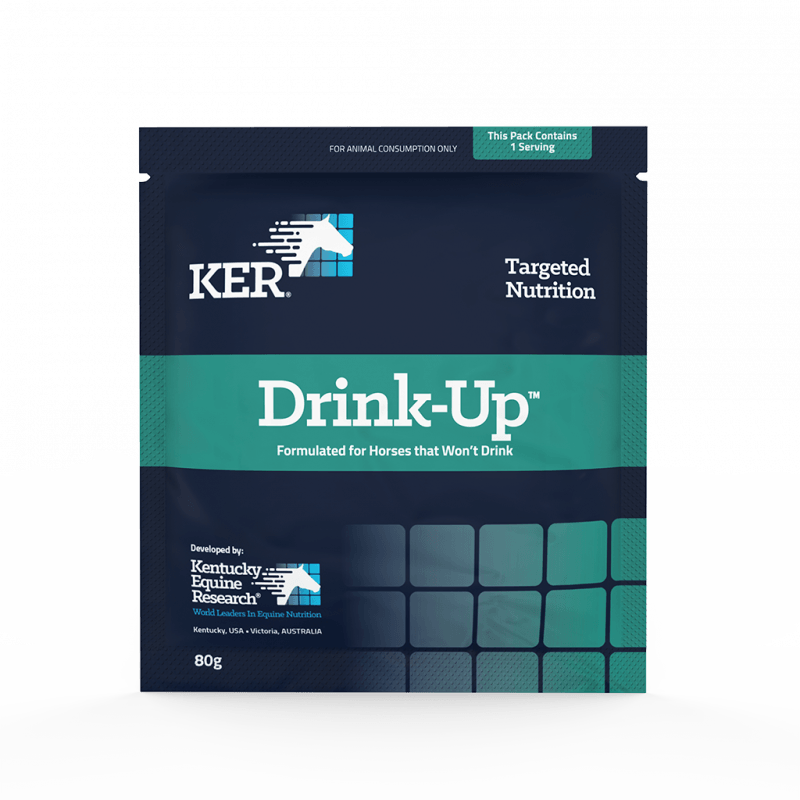
Drink-Up
For horses that are fussy or reluctant to drink
KER Drink-Up™ is a highly palatable blend designed to encourage horses to drink water. Drink-Up is a scientifically formulated, complex combination of ingredients which work together to increase a horse’s willingness to drink.
Restore
Daily replacement of electrolytes lost in sweat
A scientifically formulated electrolyte supplement designed to match the composition of horse sweat.
Restore SR
Slow-release Electrolyte Supplement for Horses
Restore® SR contains the latest technology in electrolyte supplements for horses, including a proprietary slow-release mechanism that allows sodium to be released gradually into the gastrointestinal tract for sustained absorption.
Endura-Max
Replace essential electrolytes to support performance of elite endurance athletes
Kentucky Equine Research developed Endura•Max specifically for endurance horses to replace essential electrolytes lost in sweat.
Endura-Max
Electrolyte specifically designed for horses working over long distances.
Endura-Max is an essential electrolyte replacer, containing added calcium to meet the requirements of hard-working horses.
Joint Health
Support of optimal joint health should be undertaken prophylactically, prior to evidence of damage, through the use of preparations developed to counteract inflammation, reduce cartilage damage, and stimulate cartilage repair. Well-known joint support compounds include glucosamine, chondroitin, and sodium hyaluronate.
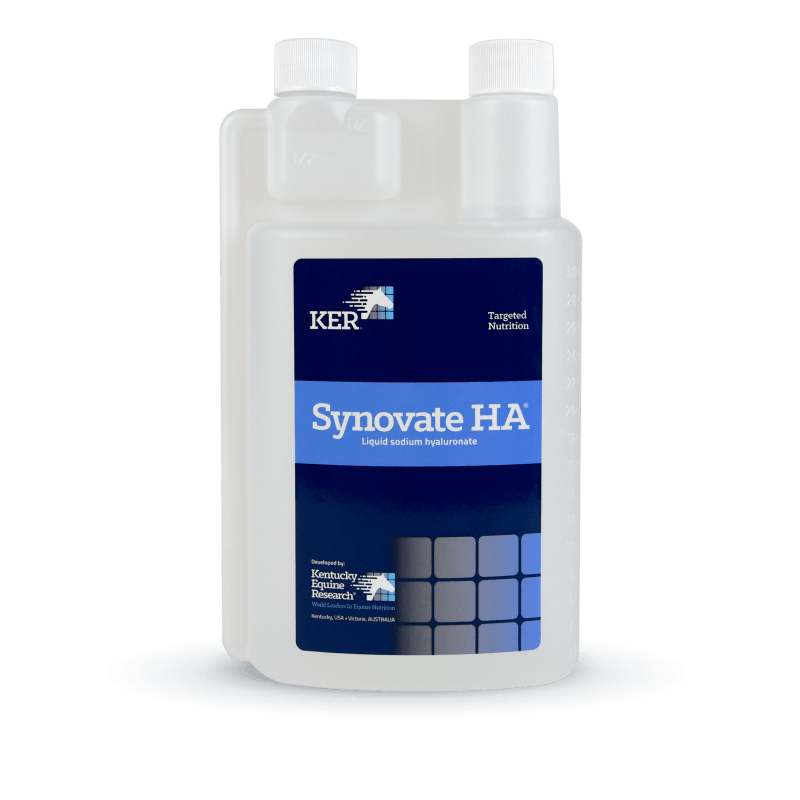
Synovate HA
Liquid sodium hyaluronate for horses
Synovate HA® delivers high molecular weight sodium hyaluronate for horses in an easy-to-administer liquid. Maintaining proper joint health is an important factor in the longevity of a horse’s career.
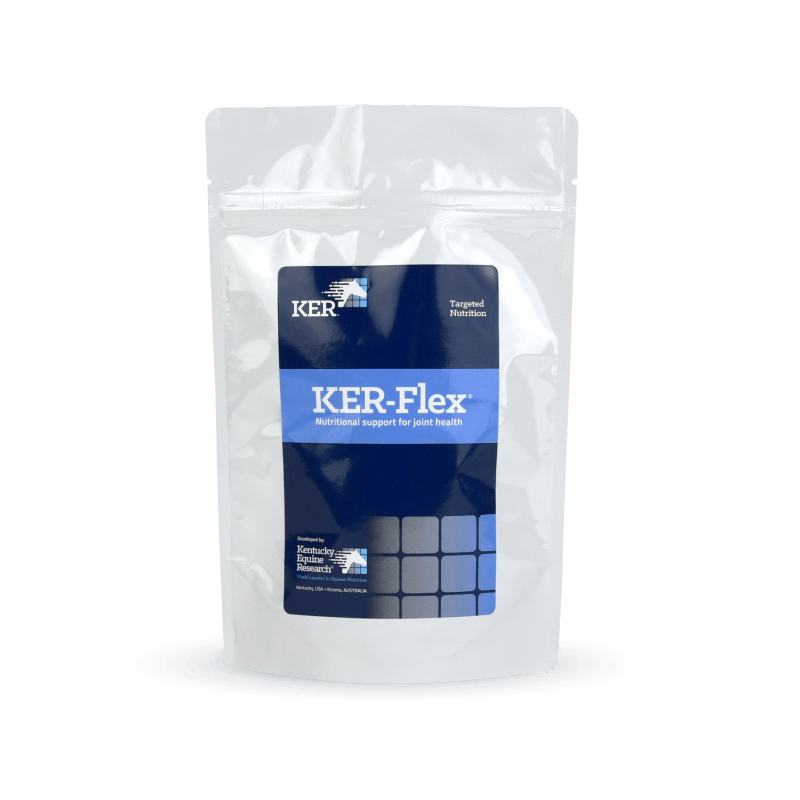
KER-Flex
High-quality Glucosamine HCl and Chondroitin Sulfate
KER-Flex® contains high-quality glucosamine HCl, chondroitin sulfate, MSM, and HA in a palatable powdered formula to provide broad-spectrum support of joint health.
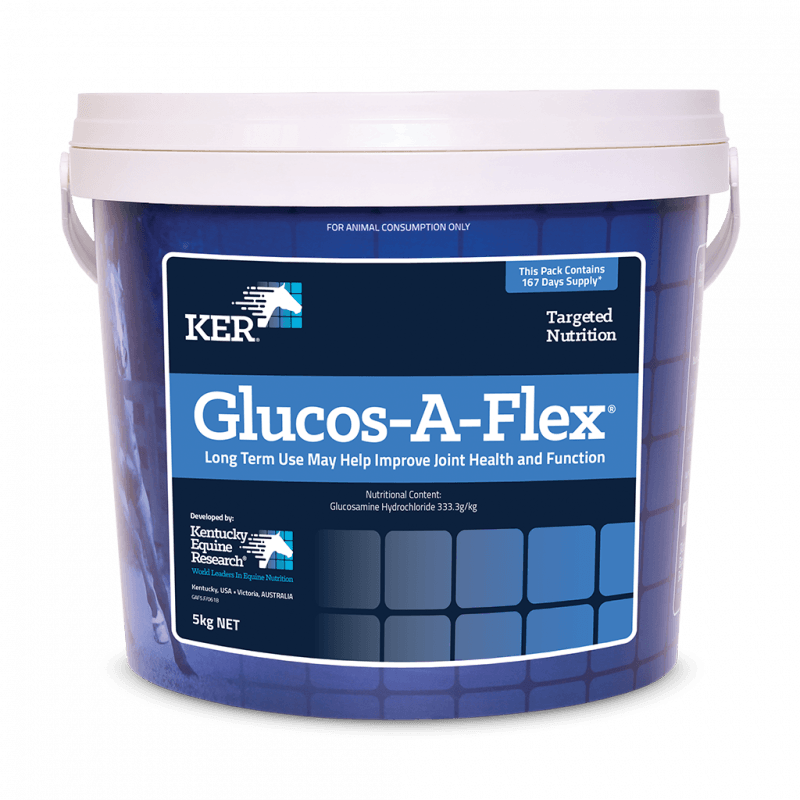
Glucos-A-Flex
Broad spectrum joint supplement providing vital nutrients involved in joint health and function
Glucos-A-Flex contains a blend of glucosamine hydrochloride, vitamins, minerals, amino acids and antioxidants.
Omega-3, DHA & EPA
Omega-3 and omega-6 fatty acids must be balanced within the body in order for both to be effective. However, the traditional equine diet tends to provide a skewed ratio of these compounds.
EO-3
Rich source of the omega-3 fatty acids DHA and EPA in a palatable liquid form
Horses are often fed diets composed entirely of grain mixes and hay. Such diets are rich in omega-6 fatty acids but extremely low in omega-3 fatty acids.
EO-3
Rich source of the omega-3 fatty acids DHA and EPA in a palatable liquid form
Horses are often fed diets composed entirely of grain mixes and hay. Such diets are rich in omega-6 fatty acids but extremely low in omega-3 fatty acids.
Vitamin/Mineral
The proper balance of vitamins and minerals in the body is critical for growth, health, and longevity of the horse. Well-balanced nutrition is extremely important in managing all types of horses, but supplying optimal nutrient intake without providing excess calories to those with low energy needs, particularly those with metabolic issues, can be especially challenging. Equine diets are commonly found to be lacking in trace minerals, including selenium, as well as vitamin E.
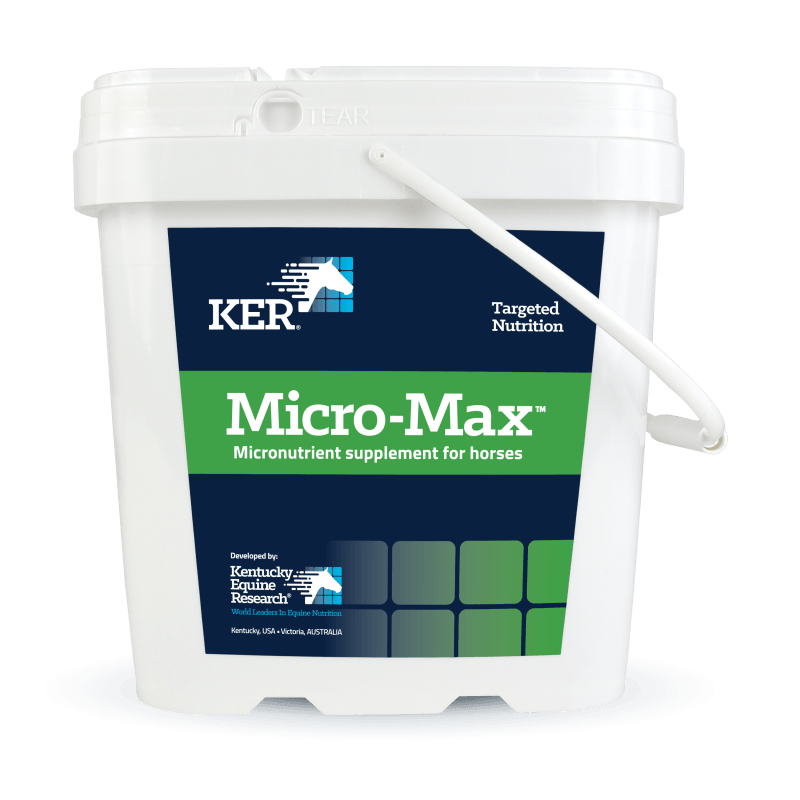
Micro-Max
Ration Fortifier for Horses
Micro-Max™ is a low-intake concentrated source of vitamins and minerals for mature horses. Micro-Max is ideal for horses that maintain body weight on diets composed entirely of forage or forage and small amounts of concentrate.
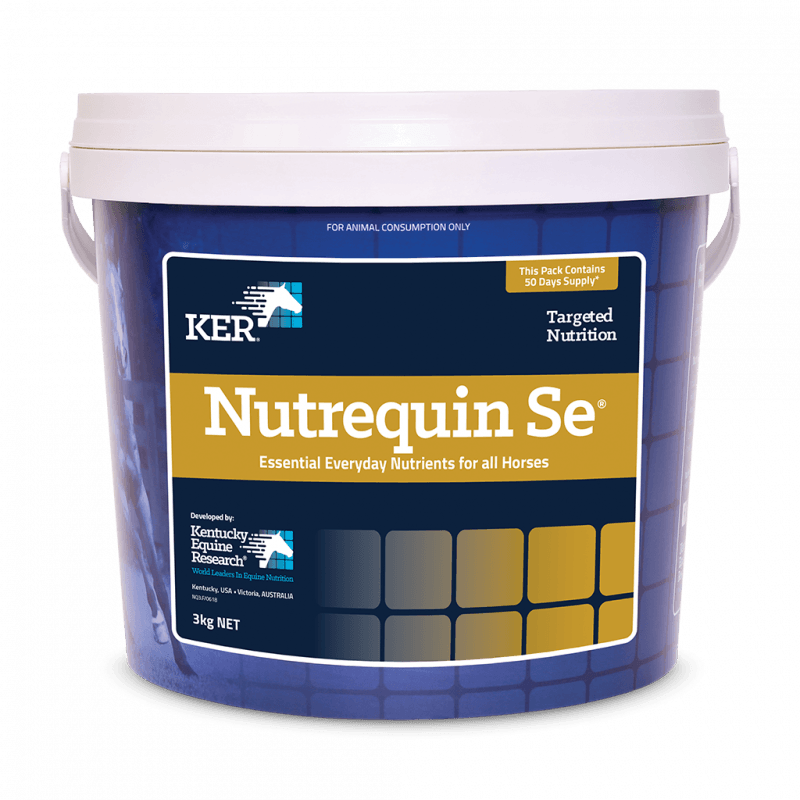
Nutrequin
A balanced blend of vital daily nutrients for horses spelling or in light to moderate work
Nutrequin is specifically designed to supplement horses on home-mixed diets, those consuming forage-only diets, and when feeding premixed feeds below the recommended intake.
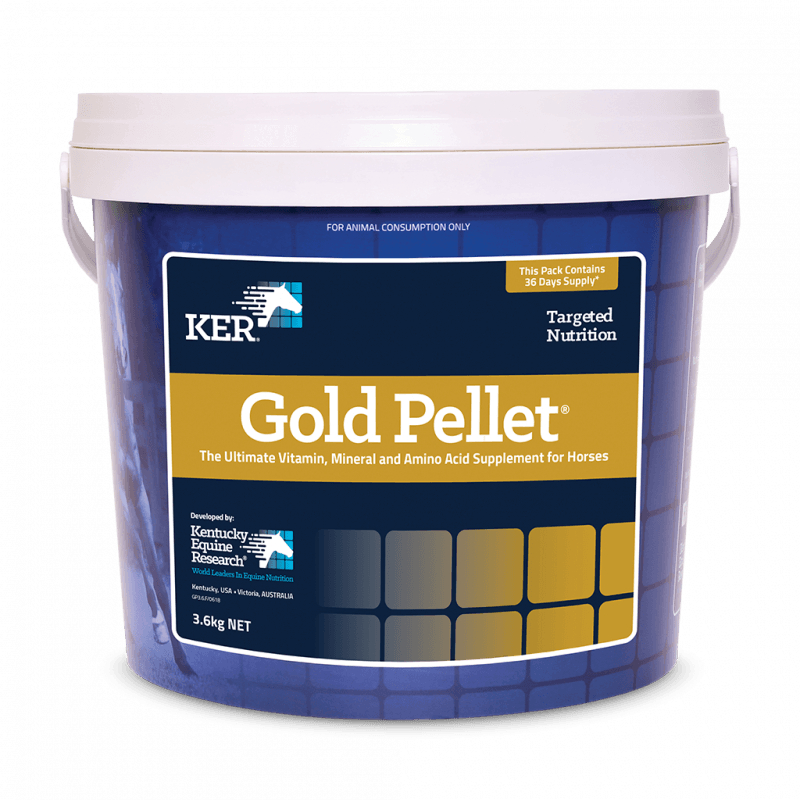
Gold Pellet
The ultimate vitamin and mineral supplement for horses
Gold Pellet contains high levels of vitamins, minerals and amino acids that supply all of the horse’s daily nutrient requirements for optimal health and vitality.
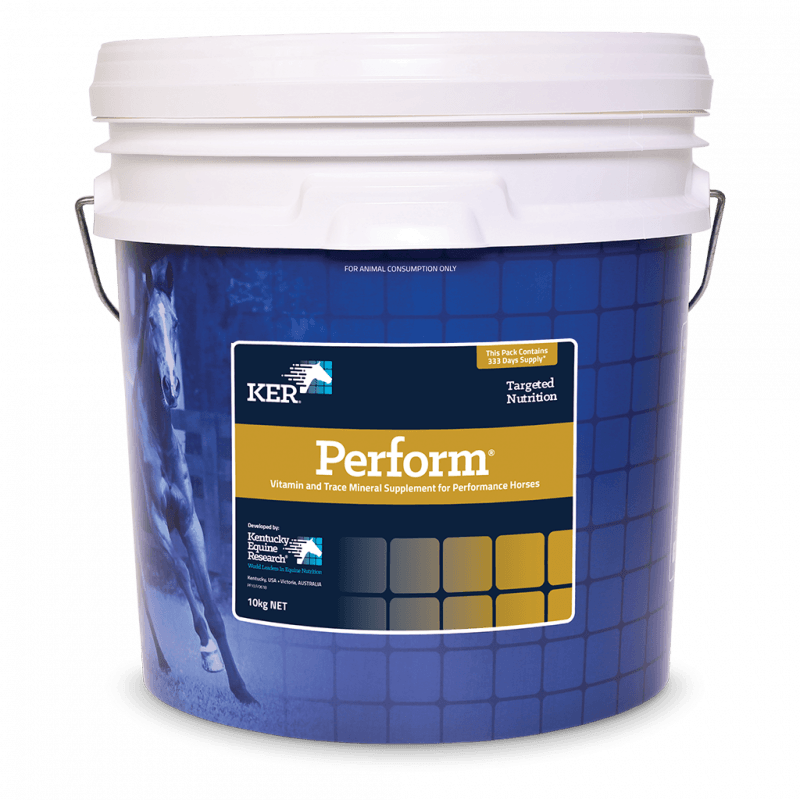
Perform
Essential nutrients for hard-working performance horses
Perform is a premium concentrated formula of vitamins, organic minerals and antioxidants, including natural vitamin E.
Wellness
Over 30 years, Kentucky Equine Research has completed thousands of equine ration evaluations and provided advice to horse owners worldwide on how to best nourish their horses, reduce health problems from modern management practices, and address specific problems. Based on this experience, the experts at Kentucky Equine Research developed this combination to provide targeted nutritional support for the most commonly identified challenges.
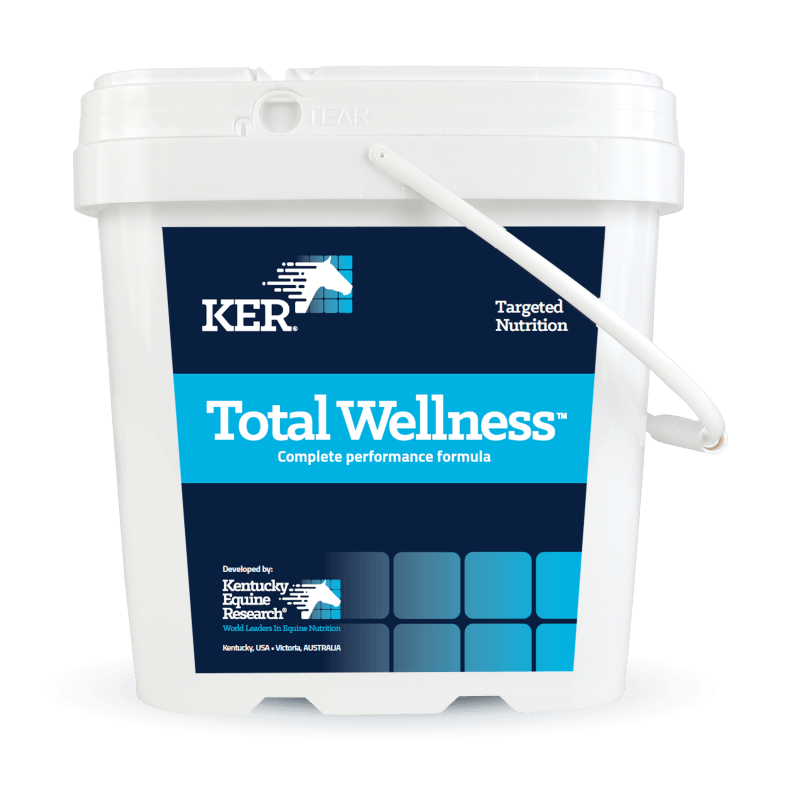
Total Wellness
Formulated to promote the overall good health and soundness of all classes of horses
Developed to reduce the risks to health and soundness inherent from modern management and performance factors. Broad-spectrum support for increased forage and nutrient digestibility, joint health, protection from oxidative damage, and optimal hoof, skin, and coat quality.
Feeds
Along with working with the top equine feed manufacturers in the world, KER also offers a range of its own speciality feed products in certain areas. These scientifically advanced feeds and concentrates reflect the latest in equine nutrition research.
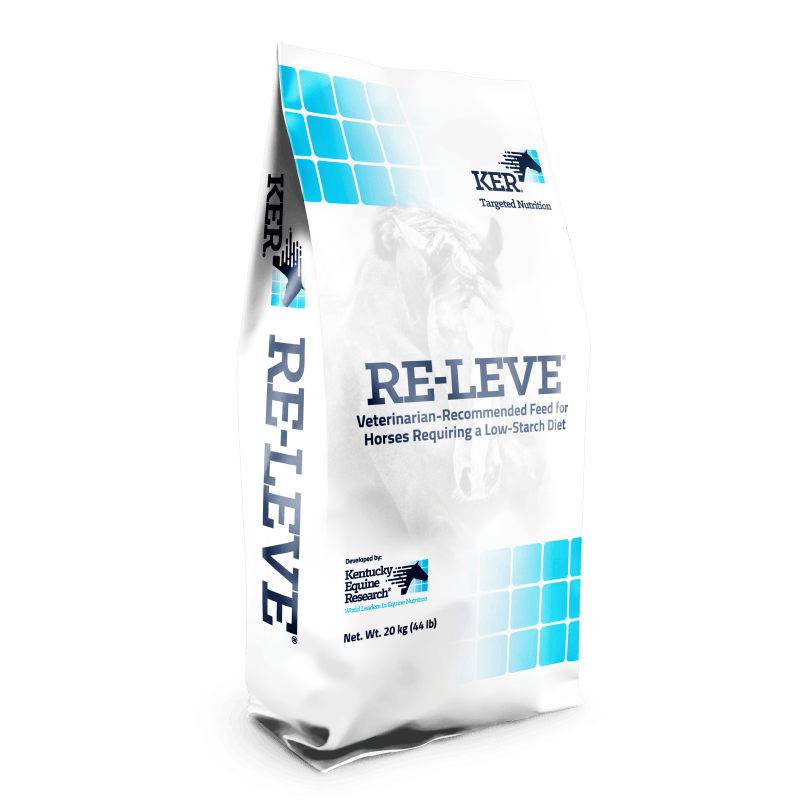
RE-LEVE
Preferred Energy Source for Horses with Tying-Up Syndrome and Metabolic Disorders
New Look – Same Proven Formula
RE-LEVE® is appropriate for any health condition in which a low-starch diet is recommended. RE-LEVE maintains its energy density by relying on fat and fermentable fibers rather than starch sources for the majority of its calories.
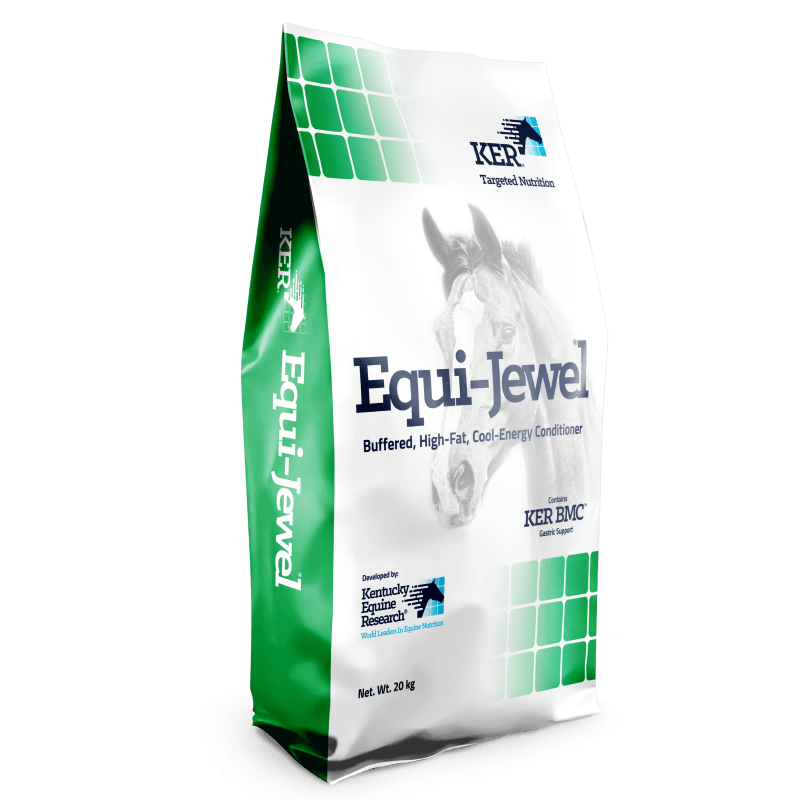
Equi-Jewel
The original, research-proven stabilised rice bran product for horses
Equi-Jewel® is a scientifically formulated high-fat, low-starch, and cool-energy conditioner. Equi-Jewel is the original, research-proven stabilised rice bran product for horses and is the only conditioning supplement to include KER BMC™ to buffer the digestive tract. This, combined with Equi-Jewel’s proven track record, make it the go-to topline conditioner for horse owners, leading trainers and breeding farms around the world.